RV Mattress Sizes: The Complete Guide to Every RV Bed
RV mattress sizes depend on your bed, but most RVs use a short queen, 60 inches wide and 74 or 75 inches long. The other common sizes are RV king, RV full and bunk, so measure before you buy.
On this page (20 sections)
- RV mattress sizes at a glance
- Size names can mislead
- How RV beds differ from home beds
- Short queen: The most common RV bed size
- RV king, short king and home king sizes
- RV full, short full and narrow twin sizes
- How much width each sleeper gets
- Close sizes are easy to mix up
- RV bunk sizes and corner cuts
- Pop-up camper mattresses need less height
- Types of RV mattress and what each one means
- How thick should your RV mattress be
- Weight matters on lift beds
- Moisture, sliding and care
- How to measure your RV bed
- Five checks before you order
- Sheets, protectors and toppers must match
- What happens after delivery
- Find the right guide for your bed
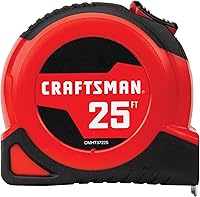
- Pick the size your tape measure confirms
This guide covers every common RV bed, from short queens and RV kings to bunks, corner cuts and pop-up bed ends. Each size section links to a deeper guide, so you can jump straight to the bed in your rig.
Sizes vary by maker and by floor plan, so use the chart as a starting point and match it to your own measurements.
RV mattress sizes at a glance
Most RV beds fall into one of the sizes below, and each name links to its own guide.
| Bed name | Typical size (width x length) | Notes | Full guide |
|---|---|---|---|
| Short queen | 60 x 74 or 60 x 75 | The most common RV bed | Short queen sizes |
| Regular queen | 60 x 80 | Needs a platform about 80 inches long | Short queen versus queen |
| RV king | 72 x 80 or 70 x 80 | 72 wide is the usual RV king | RV king sizes |
| Short king | 72 x 75 | Same width as an RV king, shorter | RV king sizes |
| Home king | 76 x 80 | Usually too wide for an RV | RV king sizes |
| RV full | 53 x 75 | The usual RV full | RV full and twin sizes |
| Short full | 48 x 75 | A narrower full | RV full and twin sizes |
| Narrow twin | 28 to 34 x 75 | Narrower than a home twin | RV full and twin sizes |
| Bunk | 28, 30 or 34 x 75 | Single bunk widths | RV bunk sizes |
| Double bunk | 42 x 80 | A wider bunk size sold by some makers | RV bunk sizes |
| Corner-cut bunk | Made to the angle | An angled or curved corner | Corner-cut replacements |
| Pop-up camper | Varies by bed end | Bed ends fold in with the roof | Pop-up camper mattresses |
These sizes are typical, not guaranteed, because makers build to slightly different measurements. Check the exact length and width against your own bed before you order.
Size names can mislead
Size names are not standard, so the same words can describe different beds. A 60 by 75 bed is sometimes called an RV queen, while a true 60 by 80 bed is a regular queen.
The safest check is the width and length in inches, matched to your platform. A name can start your search, but the numbers decide the fit.
Narrow king and short king overlap too. The 72 by 80 RV king also turns up as a narrow king, while a short king is 72 by 75, so check the length before you assume a match.
How RV beds differ from home beds
RV beds are built to a platform, not a room, so the platform and the space above it decide what fits. Home mattresses are sized for standard frames, which is why a regular queen usually needs a platform about 80 inches long.
Cabinets, slide-outs and the walkway share the same space as the bed. Weight and height can set hard limits, especially on a lift bed.
Compressed shipping and doorways
Many RV mattresses arrive compressed and rolled, so the box must fit through a narrow RV door. The bed then needs time to expand, from a few hours up to 72 hours depending on the model.
Heat and covers in small bedrooms
Small bedrooms run warm, so many RV mattresses pair gel foam with a breathable cover. Lounj says the open-cell structure of its gel foam topper keeps air flowing.
Covers matter too, since heat builds up at the surface where you sleep.
The Dyonery short queen has a removable cover, and the ZAQYCM bunk cover is knitted fabric with a zipper. Check whether a cover comes off before you order.
Short queen: The most common RV bed size
A short queen is 60 inches wide and 74 or 75 inches long. That is about 5 to 6 inches shorter than a home queen, which measures 60 by 80.
The one-inch difference between 74 and 75 is easy to miss, but it changes which sheet and protector you buy. Measure the platform from the head edge to the foot edge, and take the reading twice.
A headboard or footboard can sit outside the platform, so measure the bed itself, not the furniture around it.
Makers round and trim sizes differently, so the same short queen name can hide a one-inch difference.
Telling 74 from 75 inch mattress sizes
If your platform reads 74 inches, look for a 60 by 74 mattress, such as the 8-inch Zinus Ultima. If it reads 75, look for 75-inch sheets and protectors, such as a Coldwind fitted sheet cut for 60 by 75.
Corner radius on some beds
Some RV beds have rounded corners, which a square mattress may not follow exactly. Note whether each corner is square or rounded before you compare sizes, because a rounded platform changes how a mattress sits.
Expansion time
Compressed mattresses need time to reach full height. Zinus asks you to allow 24 to 72 hours for the Ultima, so judge the thickness after a full day or more.
For sheets and protectors, and for a closer look at the 74 and 75 question, read short queen mattress dimensions.
RV king, short king and home king sizes
The usual RV king is 72 by 80 inches, and some motorhomes use 70 by 80 inches. A short king is 72 by 75 inches, so it is the same width as the usual RV king and 5 inches shorter.
A home king is 76 by 80 inches, which is wider than the RV kings. It usually will not fit the platform, so measure before you order any king-size topper too.
Overhang on a narrow platform
A 72-inch mattress on a 70-inch platform overhangs by 1 inch on each side. Measure the width at the head and at the foot, because the two numbers can differ on an older bed.
Toppers and protectors must match
Toppers and protectors are sized the same way. Compare their width and length with your bed, not with the name on the package.
RV king mattress sizes explains how to tell a 72 by 80 bed from a 70 by 80 bed, and when a short king is the better fit.
RV full, short full and narrow twin sizes
An RV full is usually 53 by 75 inches. A short full is 48 by 75 inches, and narrow RV twins are often 28 to 34 inches wide with a 75-inch length.
A home full is 54 by 75 inches, so an RV full is only about an inch narrower. Measure rather than assume, because that one inch matters when you buy sheets and protectors.
Narrow twin mattress sizes
A home twin is 38 inches wide, and narrow RV twins run narrower than that. Measure edge to edge across the platform, not from the wall to a cabinet, so the number matches the mattress.
How much width each sleeper gets
Width per sleeper is simple arithmetic. A 60-inch short queen gives two adults about 30 inches each, while a 53-inch RV full gives about 26.5 inches each.
A 72-inch RV king gives two sleepers about 36 inches each, the widest RV option in the chart above apart from a home king. A bunk at 28 to 34 inches gives one sleeper the width, with little room to spare.
Width is only part of the comfort story, since aisle and walk-around space can matter more than a few extra inches of bed.
Solo sleepers and couples
If one person sleeps in the bed, a full or narrow twin leaves more room in the bedroom. Two adults get more width from a short queen or an RV king.
Children and bunks are a separate question, so check the bunk maker's height limits before a child sleeps on a top bunk. Pop-up campers are different, because the bed end sets the size and the roof sets the thickness.
Short queen versus RV full compares those two sizes for couples and solo sleepers in more detail.
Close sizes are easy to mix up
Close sizes are easy to confuse, so compare each pair by the number that matters for your bed.
For a 74 or 75 short queen, length decides which sheets and protectors fit. For a 70 or 72 king, width decides whether a topper overhangs the platform.
For a 48 or 53 full, width decides whether the bed fits your floor space and walkway. Short queen versus queen covers the longer pair in detail.
RV bunk sizes and corner cuts
Single RV bunks are usually 28, 30 or 34 inches wide and 75 inches long. Some double bunks use 42 by 80 inches, and some bunks have an angled or curved corner that the mattress must follow.
A corner cut is an angled or curved edge at one corner of the mattress, which lets it fit a bunk that is not a plain rectangle. Measure the cut edge, and note which corner it is, before you order.
Plan for a cover
FoamRush sells this bunk mattress without a cover, and the foam isn't water resistant. Plan on buying a separate cover before the mattress goes into the bunk.
Top bunks and thickness
A thicker top-bunk mattress raises the sleeping surface, which changes how close the sleeper sits to the guardrail. Follow the bunk maker's maximum thickness, and read the Consumer Product Safety Commission's bed and bunk safety information.
Made-to-measure cuts
Some makers build corner-cut bunks to your numbers. Corner-cut replacements compares those options with ready-made sizes.
Cozyway bunk review covers a curved double-over-double bunk, and RV bunk mattress sizes explains how to measure the angled edge.
Pop-up camper mattresses need less height
Pop-up camper beds fold with the roof, so most need about 4 inches or less of thickness. Measure the bed end with the roof up, then check how much room the closed roof leaves.
Pop-up beds vary in size. Some use king or queen ends, and some bed ends are only 48 inches wide.
Thin foam is the common choice because it folds with the roof. A waterproof cover helps when the canvas is damp.
Best pop-up camper mattresses lists thin options by size, and the FoamRush 4-inch short queen review looks at one of them in detail.
Types of RV mattress and what each one means
Most RV mattresses are all-foam, gel memory foam or a hybrid with pocketed coils. A topper can add height to any of them.
Each type trades weight, feel and bounce differently, so match the type to your bed and how you sleep.
All-foam and gel memory foam
Foam beds are usually lighter, which helps on lift beds and when a mattress must go through a narrow door. Gel memory foam adds a cooling layer, which FoamRush says disperses body heat.
Zinus, EGOHOME, Dyonery and Lounj all use CertiPUR-US certified foam. Best memory foam RV mattresses compares short queen foam options by thickness and feel.
Hybrid with pocketed coils
Hybrids add pocketed coils, which WanderRest says reduce motion transfer, and a firmer edge. The extra parts also add weight, so check the lift and the platform before you buy.
Memory foam versus hybrid explains the trade-offs side by side.
Toppers
Toppers add 2 to 4 inches on top of an existing mattress. That can change the feel of an older bed without a full replacement.
Toppers are sized separately, so check them against your bed the same way. Best short queen toppers, best queen toppers and best king toppers each cover one size family.
Before you add height, read topper versus new mattress and the ViscoSoft topper review.
Regular mattresses
A regular mattress is sized for a home frame, so it may not fit an RV platform. RV mattress versus regular mattress explains what changes.
Can you put a regular mattress in an RV walks through the fit check step by step.
If you already have a short queen in mind, the FoamRush 4-inch review and the Zinus Ultima review each look at one bed closely.
How thick should your RV mattress be
Most RV mattresses work well at 8 to 10 inches thick, but your bed's space sets the real limit. Bunks and dinette beds often use 4 to 6 inches, and pop-up beds usually need about 4 inches or less.
Thickness is limited by the space above the bed, so measure your clearance before you choose a number. How thick should an RV mattress be covers each bed type in detail.
Firmness is a separate choice
Thickness does not set firmness. EGOHOME and Dyonery rate their foam beds medium, WanderRest rates its 10-inch hybrid medium, and Grbsy calls its 12-inch hybrid medium firm.
People with back pain often prefer medium-firm support, though that is a general pattern, not a promise. If pain keeps coming back, talk with a doctor before you buy.
Weight matters on lift beds
A lift bed must carry the whole mattress every time it moves, so weight belongs in your size check. The Zinus 8-inch short queen weighs 44.4 pounds, the EGOHOME 10-inch RV king 54 pounds, and the WanderRest 10-inch full hybrid 70 pounds.
Heavier beds put more load on the struts, and each strut has a rated limit that your lift's manual lists. The Grbsy 12-inch hybrid weighs 66 pounds, so a thick hybrid needs a careful look at the lift.
The rating has to cover the mattress, the topper and the bedding you leave on the bed. Add all three before you compare the total with the lift's limit.
Treat the rating as a hard limit, not a target.
Moisture, sliding and care
Solid platforms can trap moisture under the mattress, and smooth surfaces let mattresses and toppers slide. Airflow underneath and a grip between the layers are the two basic fixes.
Why solid platforms trap moisture
Sleepers release moisture through the night, and a mattress on a solid platform gives that moisture little room to leave. Foam that sits flat on wood can hold the moisture against the platform.
Simple habits help. Lift the mattress for a while when the bed is not in use, and run a roof vent or fan while you cook or shower.
A breathable underlay adds a gap between the mattress and a solid platform, which gives air a path.
Covers and washing
A waterproof protector guards the top of the mattress, but check its care label first. The Kingnex short queen protector is machine washable in cold water and dries on low heat.
The Lounj 2-inch topper is spot clean only, so it needs a different plan from a washable cover. Bunk covers may be sold separately, as with the FoamRush 6-inch bunk, so plan on buying one on its own.
How to prevent mold under an RV mattress covers airflow and venting, and how to keep an RV mattress from sliding covers straps and gripper pads.
How to measure your RV bed
Measure the bed platform, not the old mattress, at the head and the foot for width, then down the middle for length. Write each number down before you start shopping.
- Width at the head and at the foot
- Length down the middle and along each side
- Shape of each corner, including any cut
- Height from the platform to the nearest cabinet, with the slide pushed in
How to measure an RV mattress before you buy walks through each step with a checklist.
Five checks before you order
Before you order, check five numbers against your own measurements. A size name without a spec in inches is a reason to ask before you buy.
- Length, to the nearest inch
- Width, at the narrowest point of your platform
- Thickness, against your cabinet and slide-out clearance
- Weight, against your lift's rating, if you have one
- Depth, for sheets and protectors
Sheets, protectors and toppers must match
Bedding is sized by length and width, so match the label to your measured bed. A sheet or protector labeled 60 by 75 inches is made for a 75-inch length, so check the number before you order.
Depth matters too, and the Coldwind fitted sheet has a 14-inch pocket.
The Kingnex protector fits up to 14 inches deep, so a thicker bed may need a deeper pocket. Short queen mattress dimensions covers sheets for short queens in more detail.
Toppers are sized the same way, so match the topper's width and length to your bed, then check how it stays in place once it is on.
What happens after delivery
Most RV mattresses arrive compressed, so the first day is mostly about unrolling and waiting. Expansion times differ by product, so check the brand's number before you judge the height.
EGOHOME says its 10-inch RV king expands within two hours. Zinus and Dyonery ask for 24 to 72 hours on their short queens.
Lounj says its 2-inch topper reaches full size in 24 to 48 hours, and ZAQYCM's custom bunk needs a few hours. Dyonery says you can sleep on its mattress after 24 hours while it keeps expanding.
Clear the floor and bed area so the mattress can open flat. Check the height once the bed has fully expanded, not on the first evening, so your clearance check reflects the real bed.
If the bed looks wrong on day one, wait for the full expansion window before you decide.
Find the right guide for your bed
Start with the length and width you measured, then open the guide that matches. Each line below links to one or two posts.
- 74 or 75 inches long and 60 wide: short queen dimensions and short queen versus queen
- About 80 inches long and 60 wide: can you put a regular mattress in an RV and best queen toppers
- 72 or 70 inches wide: RV king sizes and best king toppers
- 53 or 48 inches wide: RV full and twin sizes and short queen versus RV full
- A bunk or a corner cut: RV bunk sizes, corner-cut replacements and Cozyway bunk review
- A pop-up camper: pop-up camper mattresses and FoamRush 4-inch review
- Thickness: how thick should an RV mattress be
- Foam or hybrid: memory foam versus hybrid, best memory foam RV mattresses and Zinus Ultima review
- Topper or new mattress: topper versus new mattress, best short queen toppers and ViscoSoft topper review
- Factory bed versus regular mattress: RV mattress versus regular mattress
- Sliding: keep an RV mattress from sliding
- Moisture and mold: prevent mold under an RV mattress
- Measuring: how to measure an RV mattress
Pick the size your tape measure confirms
Pick the size your measurements match, even when the name on the box says something else. Pick a short queen if your platform is 60 inches wide and 74 or 75 inches long.
Pick an RV king if it is 70 or 72 inches wide and about 80 inches long. If your platform is 28 to 34 inches wide, you have a bunk or narrow twin, so read the bunk guide before you order.
Once you have your numbers, how to measure an RV mattress before you buy gives the checklist to confirm the fit.
Frequently asked questions
What is the most common RV mattress size?
Most RVs use a short queen, which is 60 inches wide and 74 or 75 inches long. Some rigs use an RV king, a short king, an RV full or a bunk instead, so measure your bed before you order and check the exact length of the mattress you pick.
Is an RV king the same as a home king?
No, an RV king is usually 72 by 80 inches, or 70 by 80 inches on some motorhomes, while a home king is 76 by 80 inches. The home king is wider, so it usually will not fit the platform, and any topper or protector should be labeled RV king too.
What are the common RV bunk mattress sizes?
Single RV bunks are usually 28, 30 or 34 inches wide and 75 inches long, and some double bunks use 42 by 80 inches. If your bunk has an angled corner, measure the cut edge and note which corner is missing, then ask the maker for the maximum thickness before you order.
Should I measure the old mattress or the bed platform?
Measure the bed platform, because it is the space the new mattress must fill. An old mattress may have shifted or sagged, so measure the width at the head and foot and the length down the middle instead, then write the numbers down.